Process Guide
Cigar Fermentation and Aging: Why Patience Makes Better Cigars
Cigar fermentation is the controlled heating of cured tobacco in large piles, which breaks down ammonia and harshness so the leaf smokes smoother.
Updated · Cigar Manufacture Editorial Team
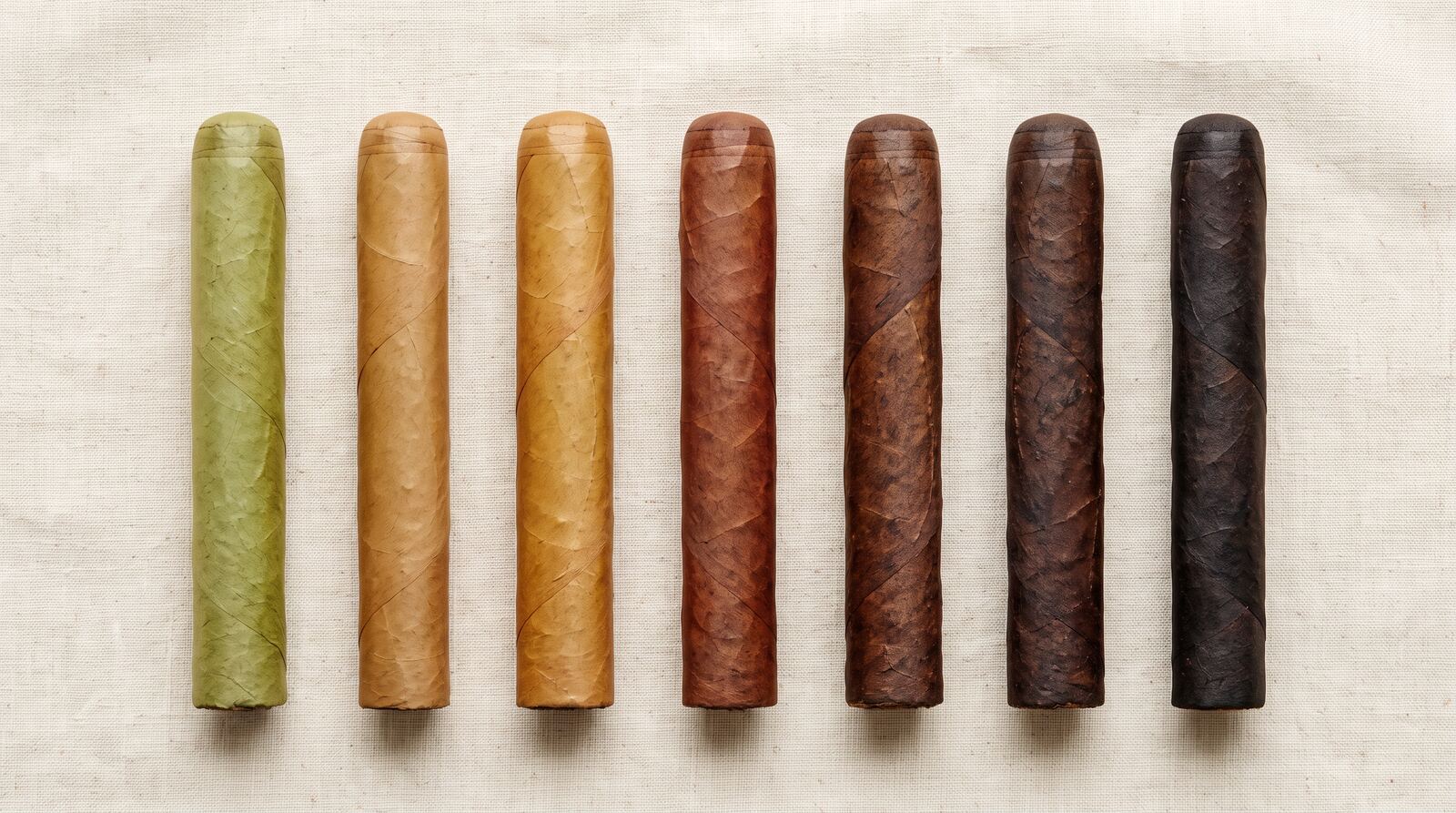
See How Wrappers Differ →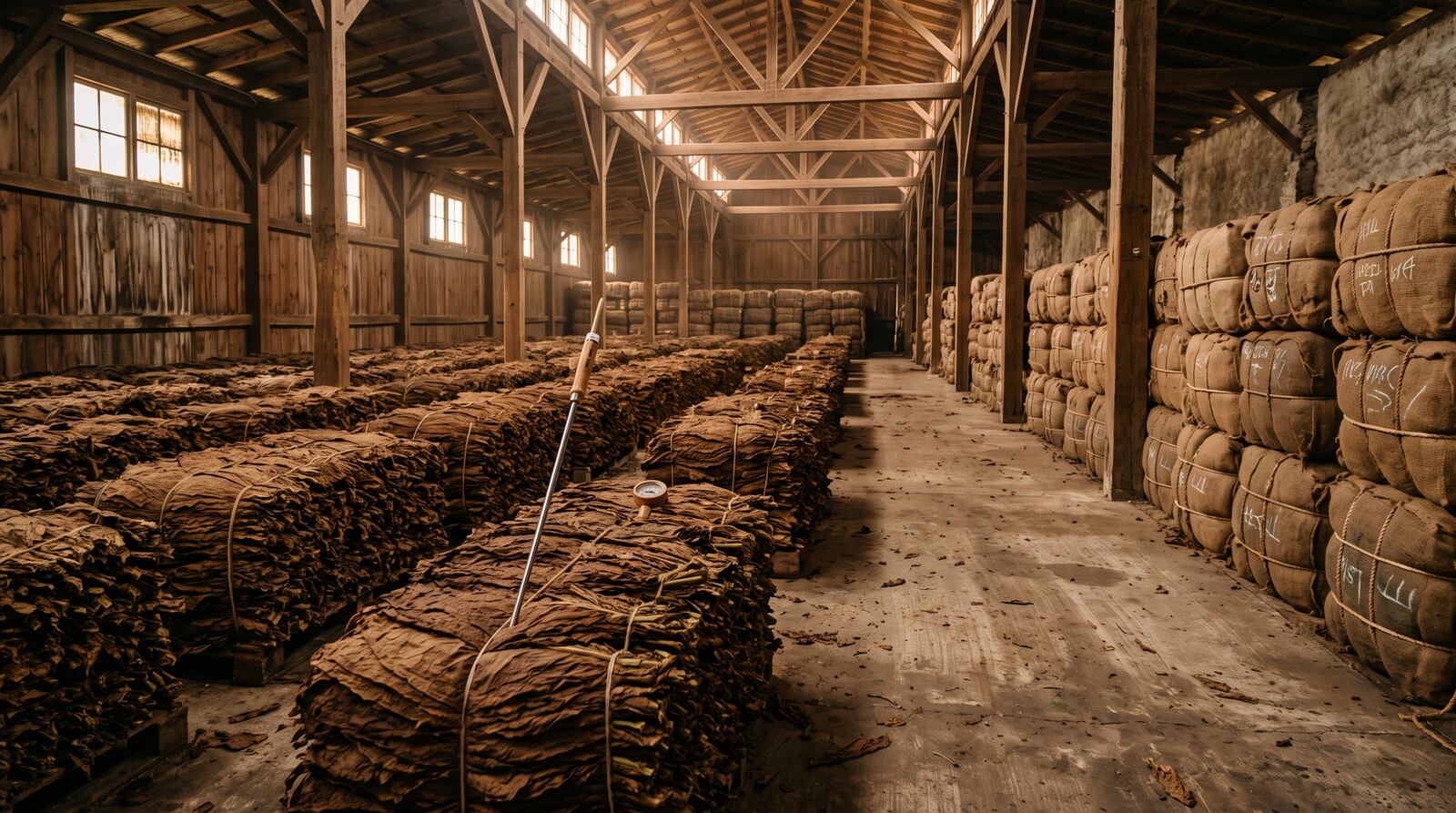
Cigar fermentation is the step that turns cured tobacco into smokable cigar leaf. Freshly cured tobacco still contains ammonia, chlorophyll residues and other compounds that make it harsh. By stacking leaves into large piles and letting them heat up naturally — while carefully managing the temperature — producers transform the leaf's chemistry, color and aroma.
Step 1: Curing
After harvest, leaves are hung in curing barns, often on poles or strung on lines, and left to dry. Over roughly four to eight weeks they turn from green to yellow to brown as moisture and chlorophyll leave the leaf. Most cigar tobacco is air-cured in ventilated barns; a few tobaccos are cured differently, such as fire-cured leaf from Kentucky (see our sister site Kentucky Cigars).
Step 2: Fermentation in Pilones
Cured leaves are moistened, gathered into hands and stacked into large piles called pilones. The weight and moisture cause the pile to heat up from within. Workers monitor the temperature with long thermometers, and when the center gets too hot they break the pile down and rebuild it — moving the outer leaves inside and the inner leaves out — so everything ferments evenly.
This cycle may repeat many times over weeks or months. Delicate wrapper leaf is fermented more gently, while thick ligero filler needs longer and can take around six months.
Quick answer: Tobacco is fermented to release ammonia and harsh compounds, mellow the flavor, even out the color and develop aroma — without it, cigars would smoke bitter and rough.
How Maduro Is Made
Maduro means "ripe." Maduro wrappers are fermented longer and often hotter than natural wrappers, which darkens the leaf and develops sweeter, cocoa-like flavors. Thick, sturdy leaves such as Connecticut Broadleaf and Mexican San Andrés handle this extended fermentation best. Explore the results in our cigar wrapper types guide.
Step 3: Aging the Leaf
After fermentation, leaves are sorted, sometimes deveined, and packed into bales — often wrapped in burlap or palm bark — to rest. Many premium makers age leaf for a year or more before it is used, letting flavors settle and integrate.
Step 4: Aging the Finished Cigars
Once rolled, cigars rest in cedar-lined aging rooms. This stage lets the moisture added during rolling even out and allows the different leaves in the blend to "marry." Premium makers commonly age cigars for weeks to months before shipping; special releases may be aged for years.
Aging Cigars at Home
- Keep cigars in a humidor at about 65–70% relative humidity and around 65–70°F.
- Avoid temperature swings and high heat, which can encourage tobacco beetles.
- Many smokers find that a few months of rest softens a young, harsh cigar; longer aging tends to mellow strength further.
- Spanish cedar boxes and humidor linings help regulate moisture and add a subtle aroma.
Fermentation vs. Aging
| Fermentation | Aging | |
|---|---|---|
| When | After curing, before rolling | Leaf before rolling, and finished cigars after |
| How | Heat builds naturally in large, moist piles | Slow rest in bales or cedar rooms at stable conditions |
| Purpose | Remove ammonia and harshness, develop color and aroma | Integrate and mellow flavors |
| Duration | Weeks to many months | Months to years |
Next, see how the prepared leaf becomes a cigar in how cigars are rolled, or start with the parts of a cigar.
Frequently Asked Questions
Why is tobacco fermented for cigars?
Tobacco is fermented to release ammonia and harsh compounds, mellow the flavor, even out the leaf's color and develop aroma.
What is a pilón in cigar making?
A pilón is a large pile of cured tobacco leaves that heats up naturally during fermentation and is periodically rebuilt to ferment evenly.
How long is cigar tobacco fermented?
Fermentation lasts from several weeks to many months, with thick ligero filler often taking around six months.
How is maduro wrapper made?
Maduro wrapper is made by fermenting sturdy leaves such as Broadleaf or San Andrés longer and often hotter, which darkens them and develops sweeter flavors.
Do cigars get better with age?
Many cigars become smoother with a few months or more of aging in a humidor at about 65 to 70 percent humidity, though very long aging also reduces strength.