Rolling Guide
How Cigars Are Rolled by Hand, Step by Step
Cigars are rolled by hand in two main steps: a buncher forms the filler and binder, then a roller wraps it in a wrapper leaf and finishes the cap.
Updated · Cigar Manufacture Editorial Team
Learn About Fermentation →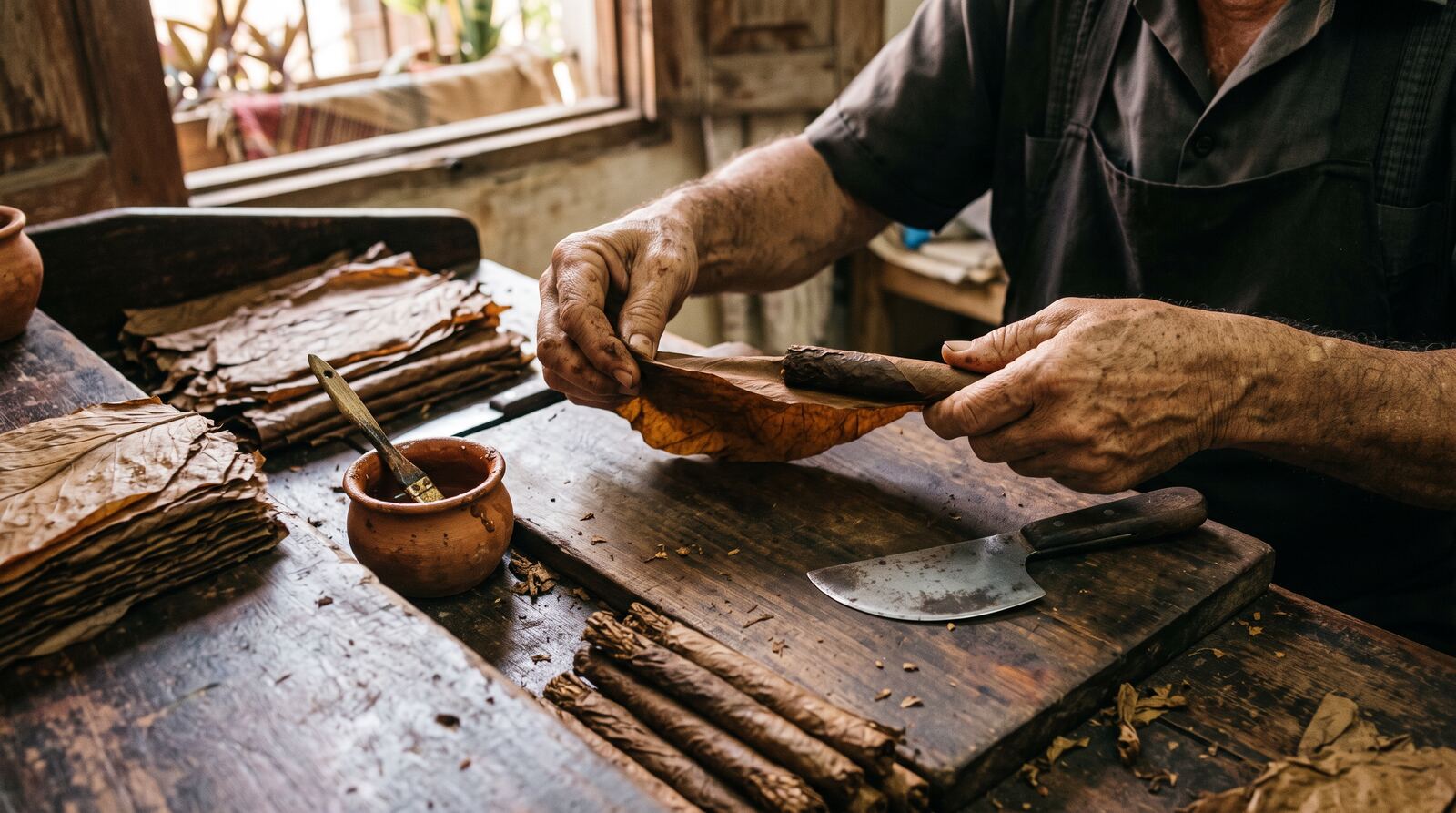
Learning how cigars are rolled reveals why premium cigars cost what they do. In most factories, cigars are made by teams of two: a bunchero (buncher), who builds the filler and binder, and a torcedor (roller), who applies the wrapper and finishes the cigar. Skilled rollers train for years before they work on premium sizes.
Step 1: Preparing the Leaves
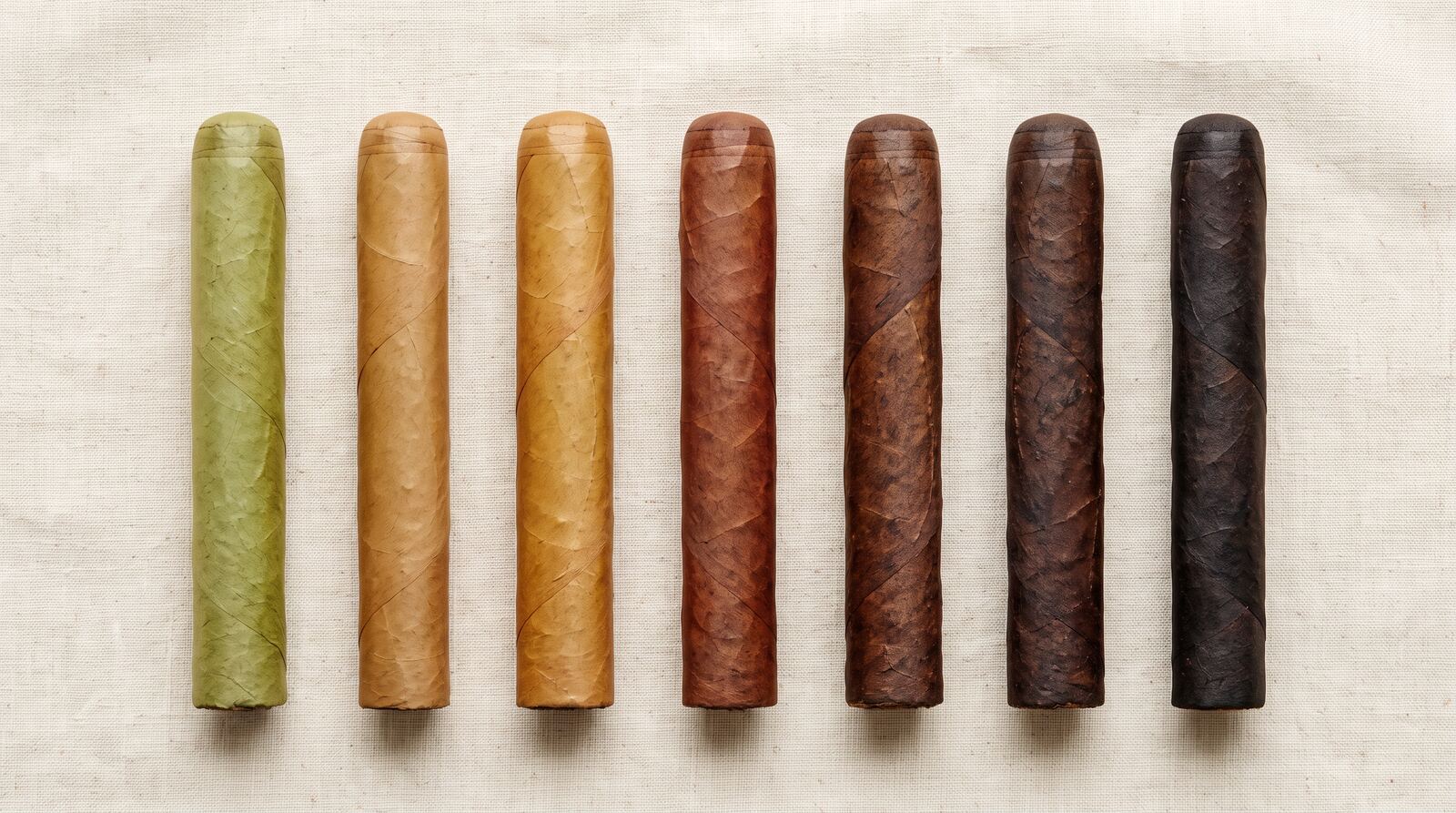
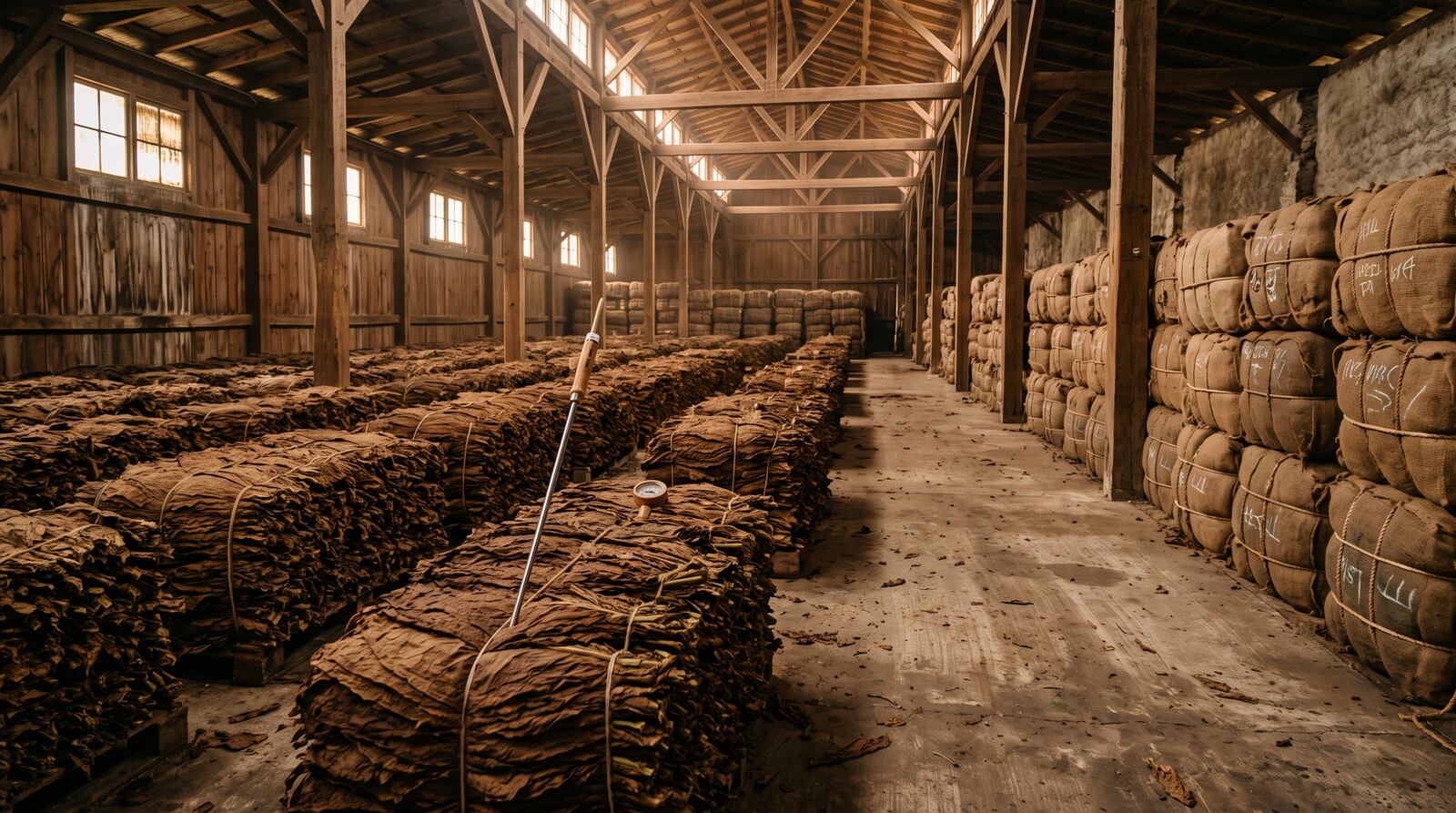
Before rolling, leaves are moistened to make them pliable, and the central vein is stripped (deveined). Wrapper leaves are sorted by color and size so each box of cigars matches. The blend recipe tells the buncher exactly which filler leaves to use and in what order.
Step 2: Bunching the Filler
The buncher arranges filler leaves so smoke can travel freely along the length of the cigar. Common methods include:
- Entubado: each filler leaf is rolled into a small tube before the tubes are gathered together, creating air channels for an excellent draw. Slow and highly skilled.
- Accordion (or fan) folding: leaves are folded back and forth like an accordion.
- Book method: leaves are laid flat on top of each other and folded together like a book — faster, but more prone to draw problems if done poorly.
Strong ligero leaf is usually placed in the center, where it burns slowest. The bunch is then wrapped in a binder leaf. Some factories use a simple hand-operated bunching device to help form a consistent bunch.
Step 3: Pressing in Molds
Finished bunches are placed in wooden or plastic molds and pressed. Midway through, they are usually rotated so they do not develop a seam, then pressed again. This sets the shape and size before the wrapper goes on.
Step 4: Applying the Wrapper
The roller lays a wrapper leaf on a smooth board, trims it with a curved blade called a chaveta, and stretches it in a spiral around the bunch, starting at the foot and working toward the head. Tension must be even: too tight and the cigar will draw hard; too loose and the wrapper can wrinkle or crack.
Step 5: Capping
To close the head, the roller cuts a small round from leftover wrapper and fixes it with a dab of natural, flavorless vegetable gum. A triple cap — three layers, a hallmark of Cuban-style rolling — is considered a sign of skill. Some cigars are finished with a pigtail (a small twisted tail of wrapper) or a covered foot.
In short: bunch the filler and binder, press in a mold, spiral the wrapper on with a chaveta, cap the head — then rest and inspect.
Step 6: Quality Control
- Weight and size checks to confirm the right amount of tobacco.
- Draw testing — many factories test cigars on machines that measure airflow, rejecting any that are plugged or too loose.
- Visual inspection of the wrapper for color, veins and damage.
- Color sorting so every cigar in a box matches.
Step 7: Aging, Banding and Boxing
Finished cigars rest in cedar-lined aging rooms (escaparates) so moisture from rolling evens out and flavors marry. Then they are banded, wrapped if needed and packed. Learn why this rest matters in fermentation and aging.
Common Rolling Defects
| Defect | Likely cause |
|---|---|
| Plugged or hard draw | Filler bunched too tightly or folded unevenly |
| Loose, hot draw | Underfilled bunch |
| Tunneling or canoeing | Uneven filler distribution or a poorly burning binder |
| Unravelling wrapper | Cap applied poorly or cut below the shoulder |
Understand the components being rolled in our parts of a cigar guide, or see the different leaves used in cigar wrapper types.
Frequently Asked Questions
How are cigars rolled?
Cigars are rolled by hand: a buncher forms filler leaves into a bunch wrapped in binder, the bunch is pressed in a mold, and a roller spirals a wrapper leaf around it and glues on a cap.
What is a chaveta?
A chaveta is the curved, flat-bladed knife cigar rollers use to trim wrapper leaves and cut caps.
What is entubado bunching?
Entubado is a bunching method in which each filler leaf is rolled into a tube before being gathered, creating channels that improve the draw.
What is a triple cap on a cigar?
A triple cap is a head finished with three layers of wrapper, a traditional Cuban-style detail that signals skilled rolling.
Why are cigars put in molds?
Molds press the bunched filler and binder into a consistent shape and size before the wrapper leaf is applied.